
Dance & the Moulin de la Galette Collection: Pierre-Auguste Renoir Oil Painting Reproductions
This is the smallest collection in the catalogue and contains the most famous picture in it. These 12 works gather the dance subjects: the Bal du Moulin de la Galette of 1876, painted in a Montmartre garden on Sunday afternoons with his friends as models, and the great pair of dancing couples from 1883, at Bougival and in the city. The Moulin de la Galette is Renoir’s masterpiece by common consent, and it is also the hardest thing he attempted, an outdoor crowd of a dozen figures under trees, every one of them lit by dappled sunlight falling through leaves. He painted a full-size canvas on the spot, having it carried to the garden and back each day. What the dance pictures share is movement held still: a turned head, a skirt swinging out, a hand at a waist. They are the most sociable, warmest and noisiest paintings he ever made, and they need a wall that can take that.
Showing all 12 results
-
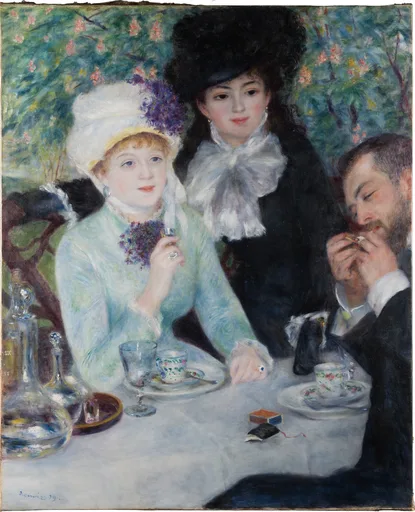
After the Luncheon
From $109 -
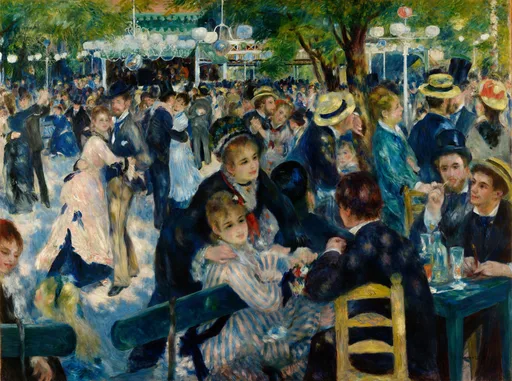
Bal du moulin de la Galette
From $109 -
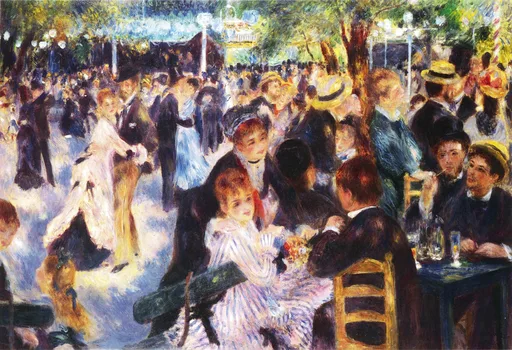
Bal du moulin de la Galette
From $109 -
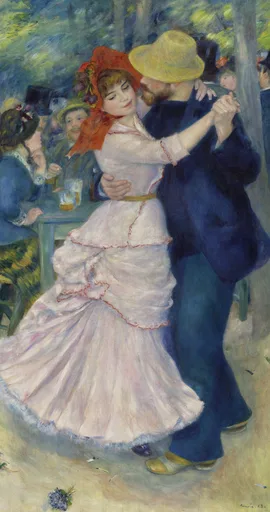
Dance at Bougival
From $109 -
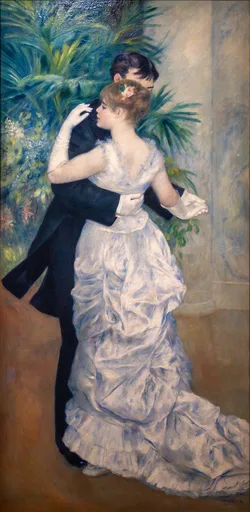
Dance in the City
From $109 -
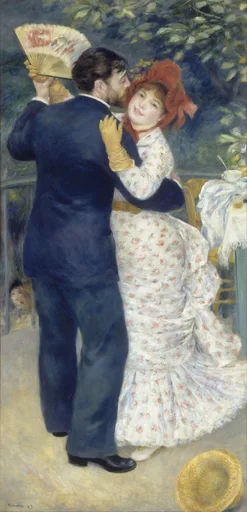
Dance in the Country
From $109 -
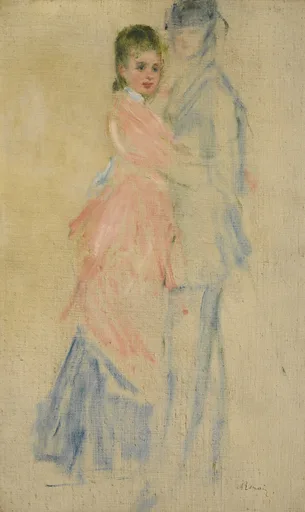
Dance, Study for the Moulin de la Galette
From $109 -
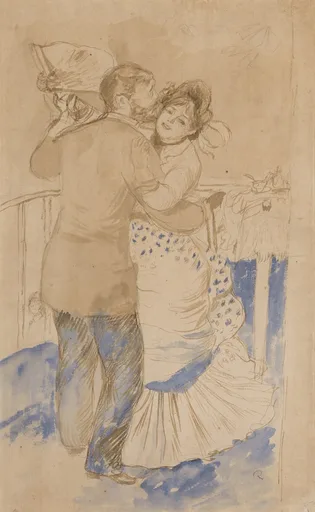
Étude pour “La Danse à la campagne”
From $109 -
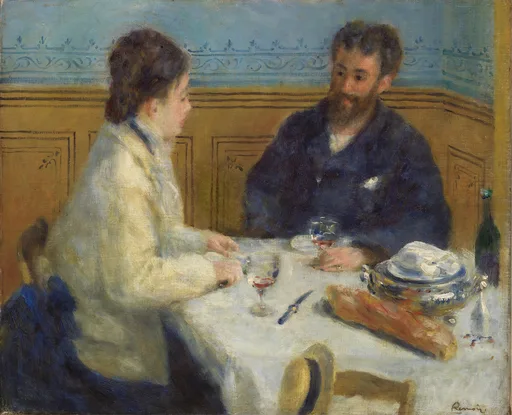
Luncheon (Le Déjeuner)
From $109 -
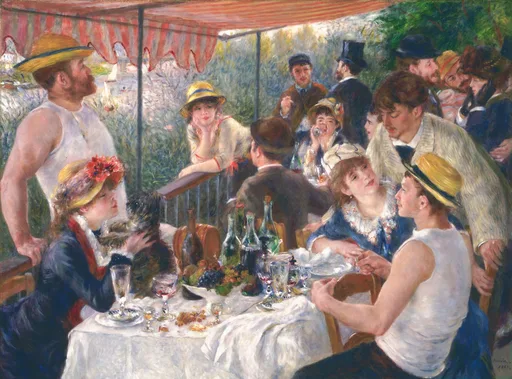
Luncheon of the Boating Party
From $109 -
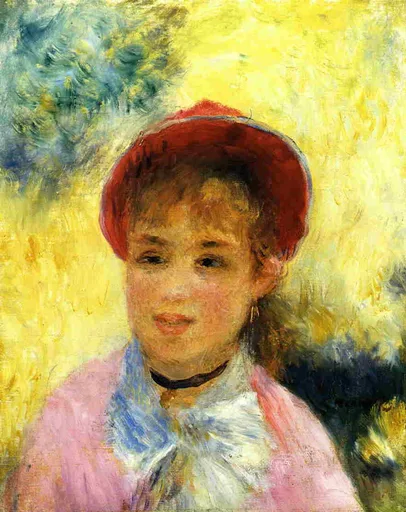
Model for the Moulin de la Galette
From $109 -
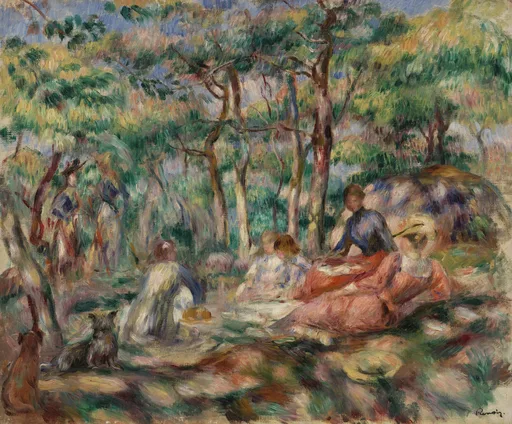
Picnic (Le Déjeuner sur l’herbe)
From $109
A masterpiece painted in a garden
The Moulin de la Galette was an open air dance hall in Montmartre, a few streets from the studio Renoir rented in 1875. He worked there through the summer of 1876, using friends and local models: the painter Norbert Goeneutte, the writer Georges Riviere, Estelle and Jeanne in the foreground. The canvas is over a metre and a half wide and was, according to Riviere, carried to the garden every day.
Nothing before it had tried to put a large group in broken outdoor light. The violet shadows on the men's jackets and the sunlit patches on the ground are the whole Impressionist argument compressed into one picture.
The three dances
In 1883 Renoir painted a set of dancing couples, life size and vertical: one in the country, one in the city, one at Bougival. The models are the same two people in different clothes and different worlds, and the pictures work as a comparison of manners as much as of movement. The Bougival canvas, with its red bonnet and cigarette ends on the floor, is the one people remember.
Which room this collection suits
These want space, and they want people. A dining room, a wide living room wall, the main wall of an open-plan room. They are the last pictures to hang in a bedroom or a study, because they are conversation at full volume. Size matters more here than anywhere else in the catalogue: below roughly eighty centimetres on the long side the faces in the crowd stop resolving and the picture becomes wallpaper. For the Moulin de la Galette, treat one hundred and twenty centimetres as a sensible minimum.
Frequently asked questions
Is the Bal du Moulin de la Galette in this collection?
Yes, together with its studies and the other dance subjects, including the three dancing couples of 1883.
Who are the people in the Moulin de la Galette?
Renoir's own circle. Fellow painters, the writer Georges Riviere, and models from Montmartre, posed on Sunday afternoons at a real dance hall a short walk from his studio.
What size do I need for the crowd scenes?
More than most people expect. A dozen faces across the canvas means each one is a small fraction of the width, so eighty centimetres is a floor and one hundred and twenty is comfortable. Our sizing guide explains the arithmetic.
Which of the three dance paintings is which?
Dance in the Country and Dance in the City are the pair painted in 1883, the first warm and informal, the second in evening dress. Dance at Bougival is the third, set outdoors at a riverside dance hall with the woman in a red bonnet.