
Portraits Collection: Pierre-Auguste Renoir Oil Painting Reproductions
Showing 81–96 of 287 results
-
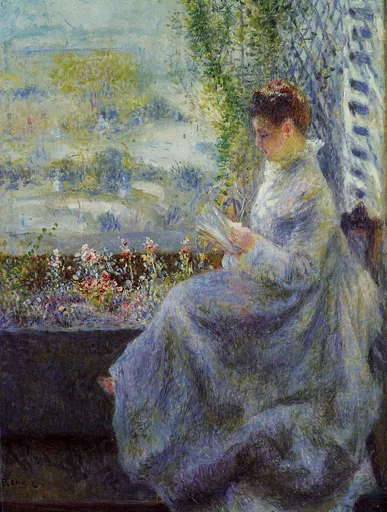
Madame Chocquet Reading
From $109 -
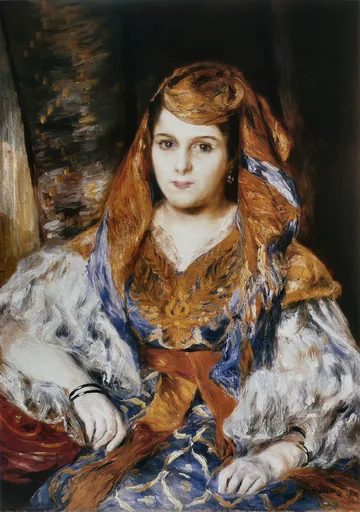
Madame Clémentine Valensi Stora
From $109 -
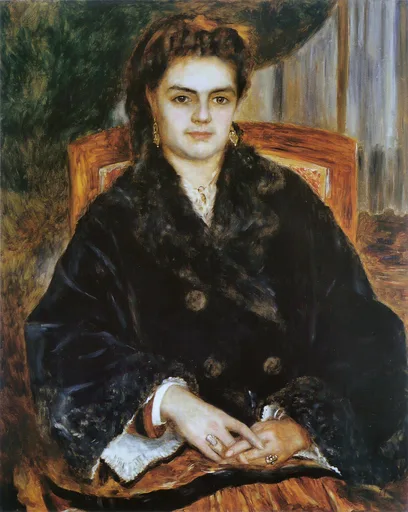
Madame Édouard Bernier (Marie-Octavie-Stéphanie Laurens, 1838–1920)
From $109 -
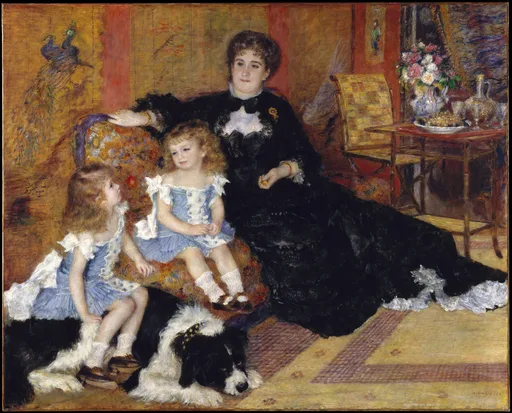
Madame Georges Charpentier and her Children
From $109 -
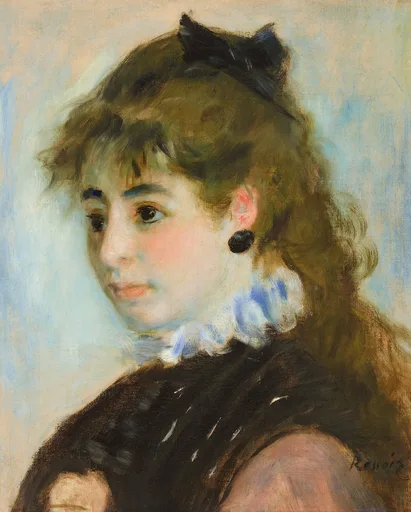
Madame Henriette Henriot
From $109 -
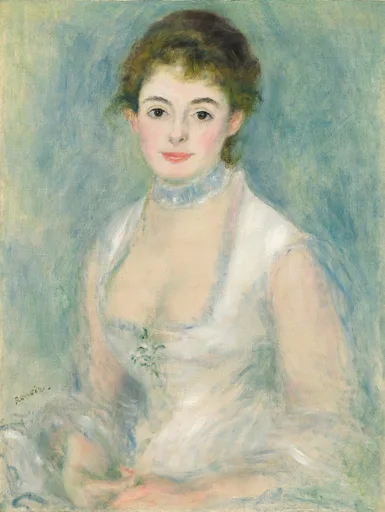
Madame Henriot
From $109 -
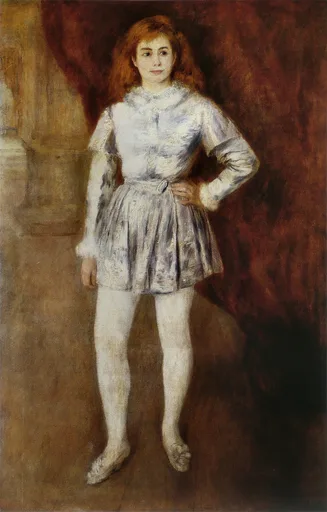
Madame Henriot in Costume
From $109 -
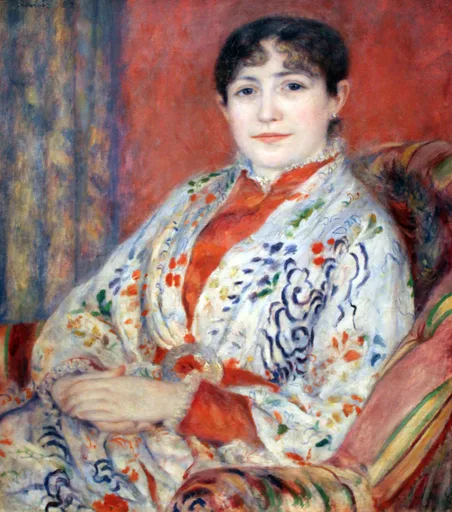
Madame Hériot
From $109 -
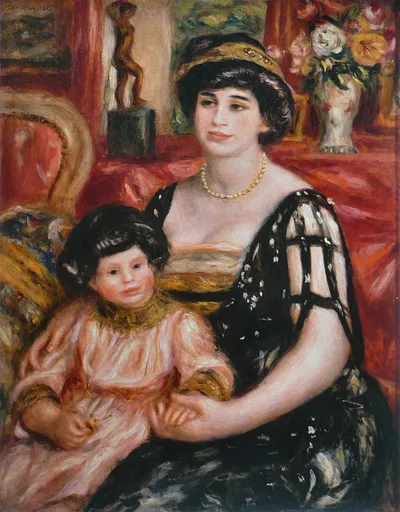
Madame Josse Bernheim-Jeune and Her Son Henry
From $109 -
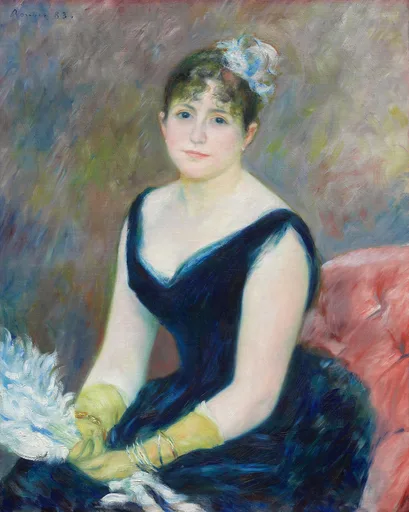
Madame Léon Clapisson
From $109 -
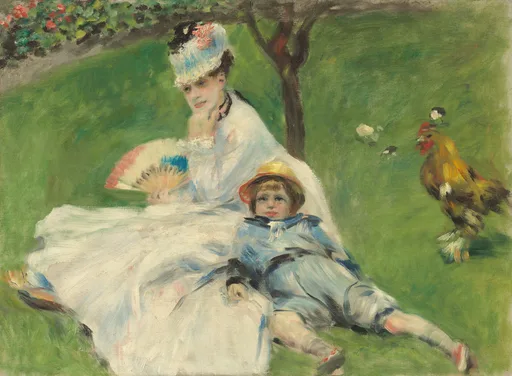
Madame Monet and Her Son
From $109 -
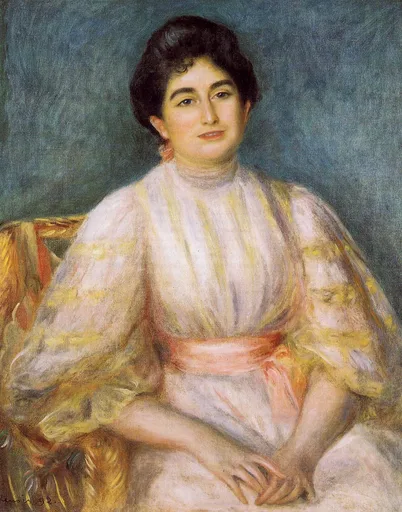
Madame Paul Gallimard née Lucie Duche
From $109 -
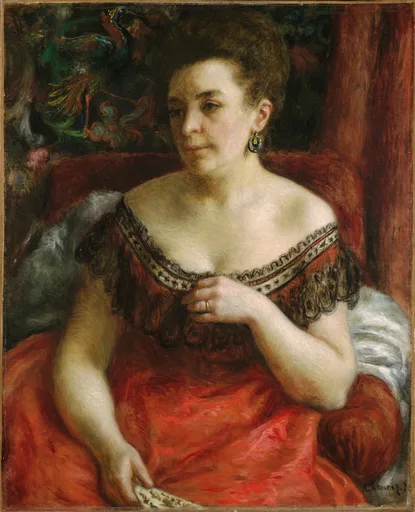
Madame Pierre Henri Renoir (Blanche-Marie Blanc, 1841-1910?)
From $109 -
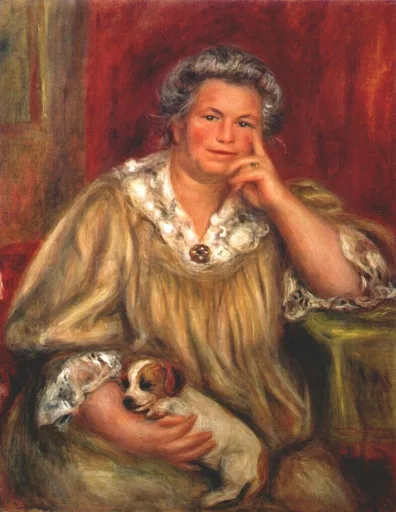
Madame Renoir
From $109 -
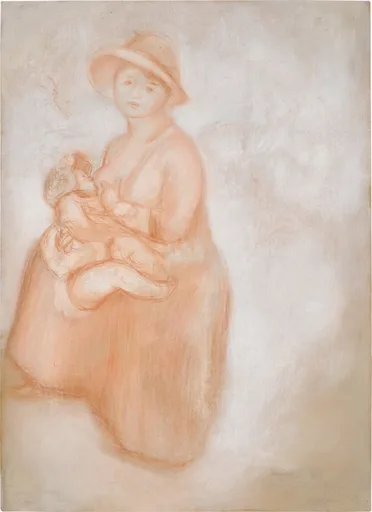
Madame Renoir and her son Pierre
From $109 -
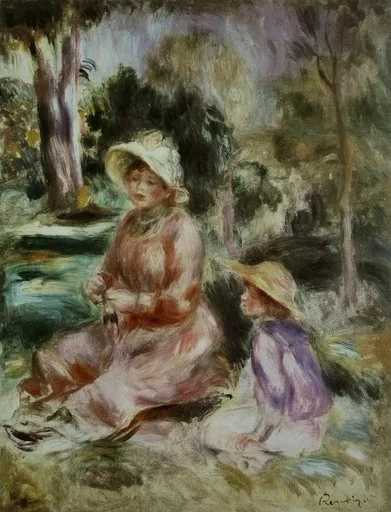
Madame Renoir and Her Son Pierre
From $109
The faces that paid for the rest
Renoir came to portraiture out of necessity. Commissions from the Charpentier family and their circle in the late 1870s gave him a steady income and, in the case of Madame Charpentier and Her Children, a Salon success that changed his standing. He painted composers, dealers, collectors, fellow painters, and the daughters of the Paris bourgeoisie in their best dresses.
The private portraits are the ones most people end up living with. His sons Pierre, Jean and Claude appear again and again, along with Gabrielle Renard, the family's nursemaid and his most constant model. These have no client to satisfy, and the handling loosens accordingly. A commissioned portrait had to look like the sitter; a portrait of Coco in a straw hat only had to be true.
What to look for
Two things separate a Renoir portrait from the academic portraiture of the same decades. The first is the light: it falls from a window or through leaves, and it moves across the face rather than modelling it evenly. The second is the edge. After 1880 he let contours dissolve, so a shoulder merges into a curtain and a cheek into the air beside it. That softness is deliberate, and a reproduction that sharpens it flattens the picture.
Which room this collection suits
A face wants to be met, not admired from across a room. Hang a portrait so the eyes sit at roughly your own eye level, about 145 to 150 centimetres from the floor to the face rather than to the middle of the canvas. Hallways, landings, the wall beside a reading chair and the space above a desk all work. A single portrait at 50 to 70 centimetres is enough; the face is already large within the frame, so you do not need the scale that a crowd scene demands.
Frequently asked questions
Who are the people in these portraits?
Some are famous: the composer Richard Wagner, the painter Alfred Sisley, the collector Victor Chocquet, the publisher's wife Madame Charpentier. Many more are family and household. His three sons and Gabrielle Renard, who came to the house in 1894 and stayed for twenty years, sat for him more than anyone else.
Are these formal or informal pictures?
Both, and the difference is visible. The commissioned portraits keep a certain composure and finish. The family portraits are looser, often unsigned, and were painted for no one but himself. If you want warmth rather than ceremony, look at the pictures of children and of Gabrielle.
What size works best for a portrait?
Smaller than you would choose for a landscape. Fifty to seventy centimetres on the long side suits most rooms, because a single head at that size reads correctly from two metres. Going much larger makes the face confrontational rather than companionable.
Hand-painted oil or archival canvas print?
Faces are where the hand-painted oil earns its price: real impasto catches light on a cheekbone in a way flat ink cannot. The archival print reproduces the drawing and colour faithfully and costs considerably less. Our guide to choosing a Renoir reproduction compares them properly.